
What Should Homeowners Consider Before Adding Retractable Screens to an Existing Covered Patio?
Before adding retractable screens to an existing covered patio, homeowners should evaluate the patio’s structure, opening dimensions, mounting surfaces, electrical access, and desired level of protection. Choosing the right screen material, track system, and installation method is equally important. A professional assessment helps determine whether the patio can accommodate motorized screens without major modifications while preserving its appearance and functionality.
An existing covered patio can become one of the most enjoyable spaces in your home with the right upgrades. However, adding motorized retractable screens requires more planning than simply selecting a screen color or pushing a button. Every patio has unique dimensions, structural features, and exposure to outdoor conditions that influence the best installation approach.
At Hester Designs, we specialize in custom motorized retractable screen solutions that help homeowners enjoy greater comfort, privacy, and flexibility outdoors. Our team focuses on personalized recommendations, precise measurements, and professional installation to ensure each screen system complements the home’s existing architecture. Whether you want to reduce insects, block afternoon sunlight, or create a more comfortable entertaining area, understanding the installation requirements beforehand can help you make a confident investment.
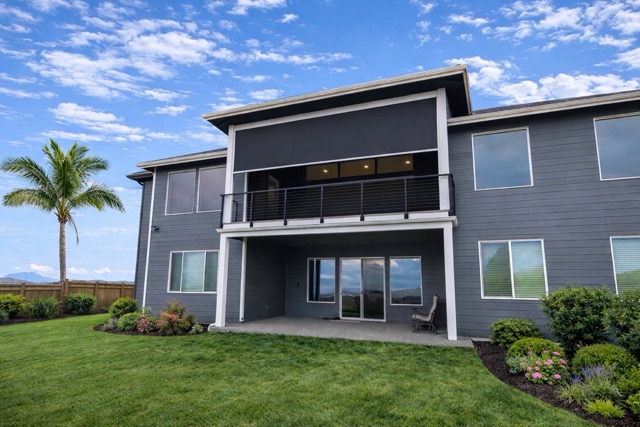
Key Factors to Consider Before Installing Motorized Screens on an Existing Patio
Most existing covered patios can accommodate retractable screen systems, but successful installation depends on selecting equipment that works with the patio’s current design. Evaluating a few essential factors early can help homeowners avoid unnecessary complications and choose a system that meets their needs.
1. Can Retractable Screens Be Installed on Your Existing Patio Structure?
Yes, many existing covered patios, porches, and outdoor kitchens can accommodate motorized retractable screens without requiring a complete renovation. However, the structure must provide suitable mounting surfaces and adequate support for the screen components.
Retractable screen systems typically include a motorized housing, side tracks, screen fabric, and a bottom bar. These components must fit securely within or around the existing patio opening.
Before installation, consider:
- Structural support: Are the patio posts, beams, and mounting surfaces strong enough to support the system?
- Opening dimensions: How wide and tall are the areas you want to screen?
- Mounting space: Is there sufficient room for the screen housing and side tracks?
- Existing obstacles: Could ceiling fans, lighting, decorative trim, or outdoor fixtures interfere with installation?
- Patio configuration: Will the screens fit between existing columns or require additional framing?
According to Phantom Screens, motorized retractable screens can be surface-mounted onto existing structures or recessed into building features. Surface mounting is often a practical option for completed patios because it can avoid extensive structural modifications.
A professional evaluation helps determine which installation approach is appropriate for your particular space.
2. Which Retractable Screen Material Is Best for Your Patio?
The best retractable screen material depends on whether your main priority is insect protection, shade, privacy, airflow, or wind reduction.
Different screen fabrics offer different levels of protection, making material selection one of the most important decisions during the planning process.
Common options include:
- Insect screens: Designed to help keep mosquitoes, flies, and other pests outside while maintaining ventilation.
- Solar screens: Reduce sunlight and glare, making them useful for patios exposed to intense afternoon sunshine.
- Privacy screens: Use denser materials to limit visibility into outdoor living areas while allowing varying degrees of airflow.
- Wind-reducing screens: Help soften breezes and reduce wind-driven debris when paired with an appropriate retention system.
Homeowners should understand that no single mesh performs every function equally well.
For example, a tightly woven solar screen may offer greater shade and daytime privacy than a more open insect mesh. However, the denser fabric may also reduce airflow and outward visibility.
Phantom Screens notes that open-weave materials allow greater airflow, while tighter weaves provide increased protection from outdoor conditions.
The right choice balances comfort with the open-air experience you want to preserve.
3. How Much Space and Electrical Access Do Motorized Screens Need?
Motorized retractable screens require enough space for their housings, tracks, and electrical components. The exact requirements depend on the manufacturer, screen dimensions, and installation configuration.
The housing is generally positioned above the opening, while vertical tracks guide the fabric as it moves up and down.
Before selecting a system, homeowners should consider whether the patio has:
- Sufficient overhead clearance for the motorized housing
- Suitable vertical surfaces for installing side tracks
- Access to an appropriate electrical supply
- Space for the screen to lower without hitting furniture or fixtures
- Convenient locations for controls or compatible automation equipment
Electrical planning is especially important for existing patios that were not originally designed for motorized features.
Some installations may require additional electrical work, which should be completed by a qualified professional when necessary.
Homeowners should also think about how they want to operate their screens. Depending on the selected equipment, options may include handheld remotes, wall controls, or compatible smart-home integrations.
Planning these details before installation helps create a cleaner appearance and more convenient everyday operation.
4. What Should You Know About Weather Protection and Screen Durability?
Motorized retractable screens can improve patio comfort, but they are not substitutes for permanent walls or storm-rated enclosures.
Their performance depends on the screen fabric, track design, installation quality, and manufacturer’s operating limitations.
Homeowners should consider how their patio is exposed to wind, rain, and direct sunlight throughout the year.
For example, a patio facing prevailing winds may benefit from a secure track-retention system. A west-facing patio may benefit more from solar screening that reduces intense afternoon glare.
It is also important to understand that retractable screens have specific weather limitations.
Phantom Screens advises against operating its motorized screens in winds exceeding 25 mph and recommends retracting them during strong winds. Other manufacturers and systems may have different ratings.
Proper care also contributes to long-term performance. Basic maintenance typically includes keeping tracks clear of debris, gently cleaning the fabric, and following the manufacturer’s instructions for operating and retracting the screens.
Choosing a system suited to your patio’s conditions helps protect your investment and encourages reliable everyday use.
5. How Do You Choose the Right Installation and Design Options?
Professional installation is important because motorized retractable screens must fit the existing patio accurately and operate smoothly.
Even small measurement errors can affect the alignment of tracks, screen tension, and overall appearance.
Homeowners should evaluate both the practical and aesthetic details before making a final decision.
Important considerations include:
- Custom measurements: Each opening should be measured individually to account for structural variations.
- Housing placement: Determine where the screen housing will be least noticeable while remaining accessible for service.
- Frame finishes: Select colors that coordinate with existing patio columns, trim, and architectural features.
- Screen controls: Choose operating options that fit your daily routine.
- Installation requirements: Discuss whether additional framing, electrical work, or other modifications may be necessary.
Hester Designs approaches motorized screen installation with attention to both performance and appearance. Our goal is to help homeowners select solutions that feel like a natural extension of their existing outdoor living spaces.
A personalized consultation also provides an opportunity to discuss project costs, installation expectations, and long-term maintenance before moving forward.
Frequently Asked Questions About Adding Retractable Screens to Covered Patios
Can you add motorized screens to a patio that is already built?
Yes. Many existing covered patios can accommodate motorized retractable screens using surface-mounted housings and tracks. Installation feasibility depends on the patio’s dimensions, structural support, and available mounting space.
Do motorized patio screens require electrical wiring?
Most conventional motorized screen systems require an electrical power source. Depending on the existing patio setup, additional wiring may be necessary, although requirements vary by product and motor configuration.
Will retractable screens change the appearance of my patio?
Retractable screens can be designed to complement existing architecture with coordinated frame finishes and discreet housing placement. When retracted, the fabric is stored inside its housing, helping preserve the patio’s open appearance.
How much does it cost to add retractable screens to an existing patio?
Costs depend on the number and size of openings, screen materials, motorization features, and installation requirements. A professional estimate provides the most accurate pricing because existing patios vary in their structural and electrical needs.
Upgrade Your Existing Patio With Hester Designs
Adding motorized retractable screens to an existing covered patio can make outdoor living more comfortable without sacrificing the open design you already enjoy.
The key is proper planning. Evaluating structural support, screen materials, electrical access, weather exposure, and installation requirements helps ensure your new screens fit your space and lifestyle.
At Hester Designs, we help homeowners find custom retractable screen solutions that combine convenience, functionality, and attractive design.
Ready to make your covered patio more comfortable and versatile? Contact Hester Designs today to discuss your project and explore your motorized retractable screen options.